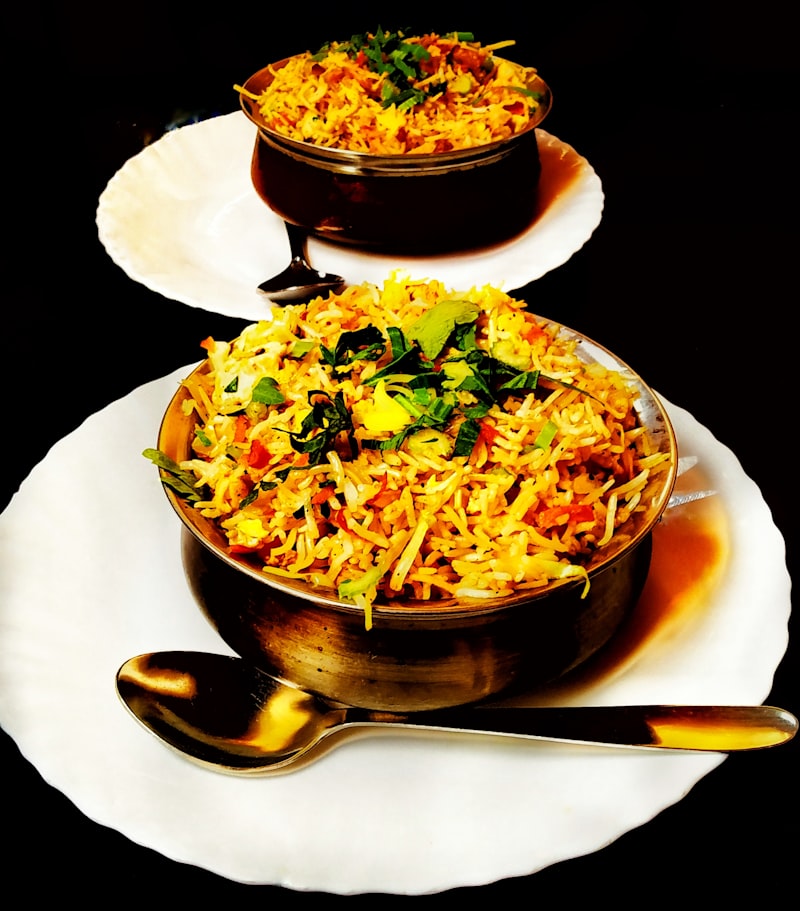
The pinnacle of royal Lucknowi culinary art: tender lamb simmered in saffron-infused yakhni broth, layered with 70% par-cooked aged basmati and sealed with dough for gentle steam cooking.
Traditional Indian Recipes
Traditional Indian cooking represents centuries of regional heritage, empirical spice pairing, and thermal mastery. From the sealed dum pukht ovens of 18th-century Awadh to the slow earthenware embers of rural Punjab, these recipes preserve original methods, uncompromised spice blends, and the cultural context of classic Indian hospitality.
All Traditional & Heritage Dishes (4)
Whole black urad dal and red kidney beans slow-simmered for hours over low heat, enriched with dairy butter, sweet cream, and finished with a charcoal dhungar smoke infusion.
An ancient rustic staple of steamed finger millet flour churned into velvety spheres, traditionally eaten with piping hot Bassaru or Keerai Sambar.
Crisp ghee-fried milk bread slices steeped in fragrant saffron-cardamom sugar syrup, blanketed with slow-reduced creamy rabdi and slivered pistachios.
Technical Tips for Traditional & Heritage
Practical secrets for temperature control, flavor balance, and texture.
How to Fix an Overly Sour Curry: Chef Secrets for Tomato, Tamarind & Dahi Balance
Master the culinary science of balancing excess acidity in Indian gravies using caramelized onion reductions, dairy fats, jaggery, or alkaline buffers without diluting spice integrity.
secretThe Science of Fluffy, Cloud-Soft Idlis: Grind Friction, Poha & Fermentation Ratios
Discover the exact soak times, urad-to-rice ratios, wet-grinder aeration physics, and temperature management required for restaurant-quality mallige idlis.
techniqueThe Deggi Mirch Oil Blooming Technique: Radiant Red Curries Without Synthetic Color
How professional Indian restaurant khansamas extract natural capsanthin carotenoids from Kashmiri and Deggi chillies into hot fat for vibrant crimson gravies.
Frequently Asked Questions
What makes a recipe truly traditional in Indian cuisine?
Authentic traditional Indian recipes rely on age-old thermal techniques (like slow Bhunao, Dum, or earthen pot cooking) and indigenous whole spices rather than commercial premixes or artificial flavorings.
Can traditional Indian recipes be scaled for large events?
Yes! Every traditional recipe on CaterOps provides exact per-guest raw procurement norms and single-click commercial banquet scaling for 50, 100, and 500+ pax.