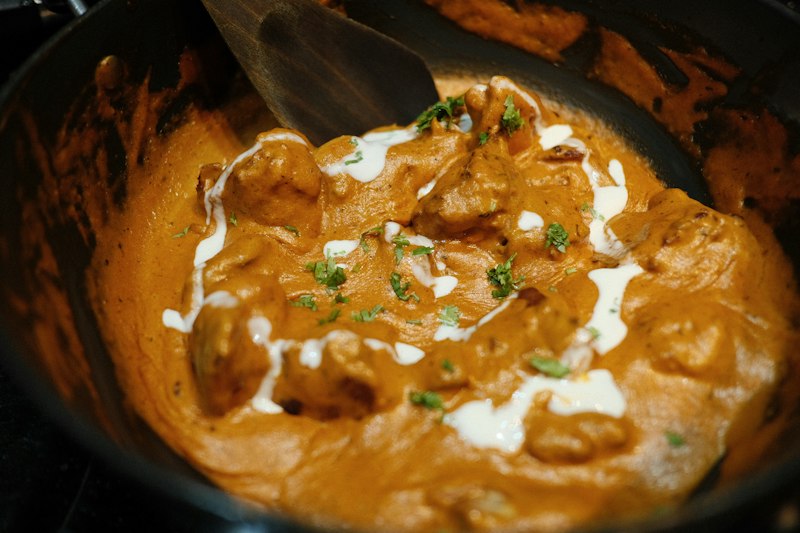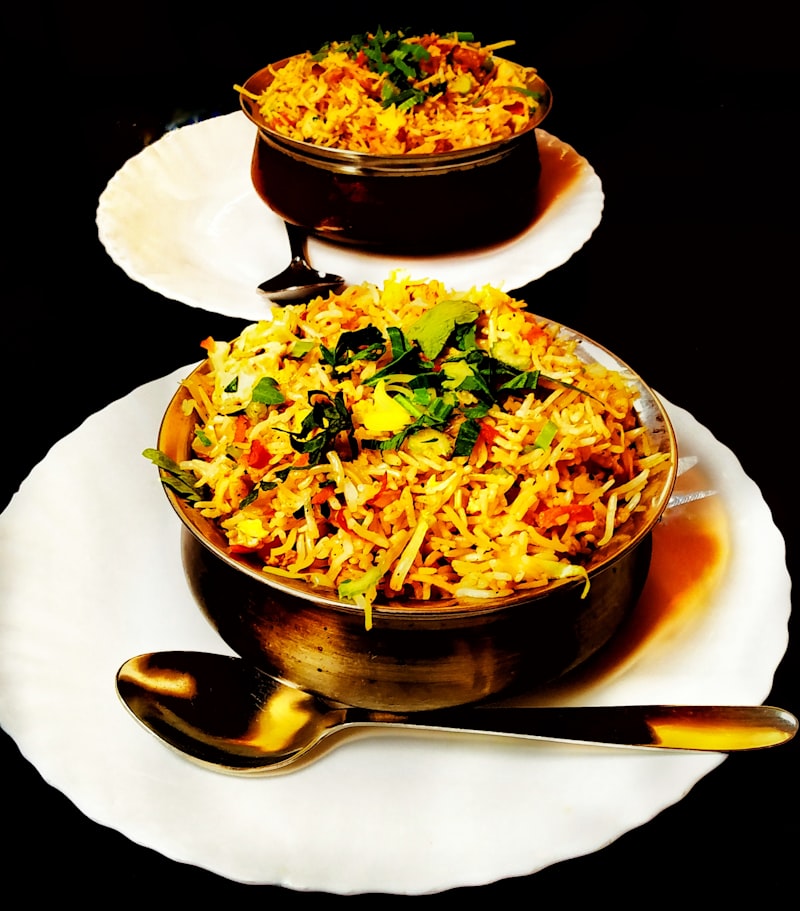
How to Fix an Overly Sour Curry: Chef Secrets for Tomato, Tamarind & Dahi Balance
Master the culinary science of balancing excess acidity in Indian gravies using caramelized onion reductions, dairy fats, jaggery, or alkaline buffers without diluting spice integrity.
The Root Causes of Acidity in Indian Cooking
Curry acidity typically stems from four culinary culprits:
1. **Uncooked Raw Tomato Flesh**: Adding raw tomato puree without cooking it until oil separates (*bhunao*) leaves malic and citric acids raw and harsh.
2. **Excessive Tamarind (*Puli*) Concentration**: Tamarind extract that was not boiled down with salt and turmeric.
3. **Over-Fermented Yogurt (*Khatta Dahi*)**: Using curd that sat at warm room temperature for too long.
4. **Premature Lemon Juice Addition**: Boiling lemon juice over high heat, which oxidizes citric acid and renders gravies both sharp and metallic.
4 Proven Ways to Neutralize Excess Acidity
1. The Caramelized Onion Reduction (*Bhuna Pyaz*)
Never simply dump white sugar into a sour curry; it creates an artificial sweet-and-sour candy taste that clashes with cumin and garam masala. Instead:
2. Dairy Fat & Nut Paste Buffer
Dairy fats and saturated plant lipids coat taste receptors on the tongue, blunting perception of tartness: