
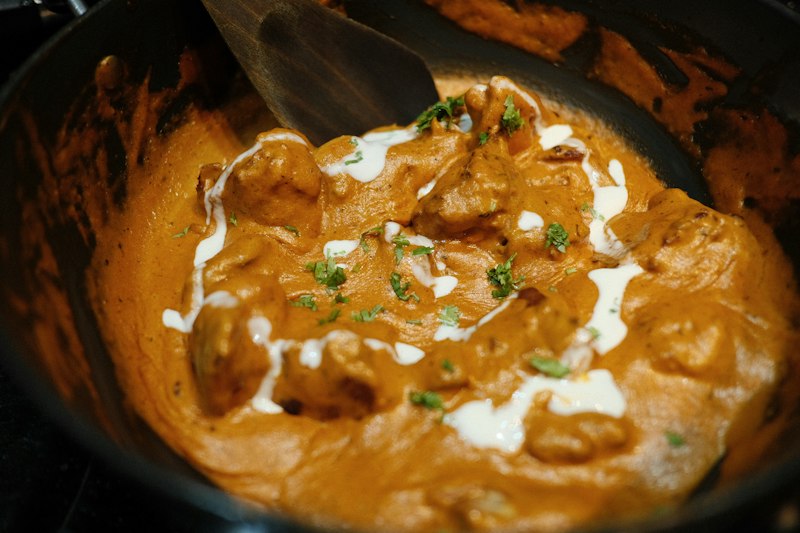
Non-VegTrending
South Indian
An iconic Tamil Nadu dry fry featuring freshly dry-roasted Tellicherry peppercorns, fennel seeds, and shallots in cold-pressed gingelly oil.
regional310 kcal45mmedium
Cost 100 PaxView Recipe
Indian meat cookery is celebrated for bone-marrow extraction, yogurt-based marinades, and sealed steam (*Dum*) that renders tough cuts tender without losing succulence. Discover regional poultry and lamb formulations with commercial yield and portioning guidelines.
An iconic Tamil Nadu dry fry featuring freshly dry-roasted Tellicherry peppercorns, fennel seeds, and shallots in cold-pressed gingelly oil.
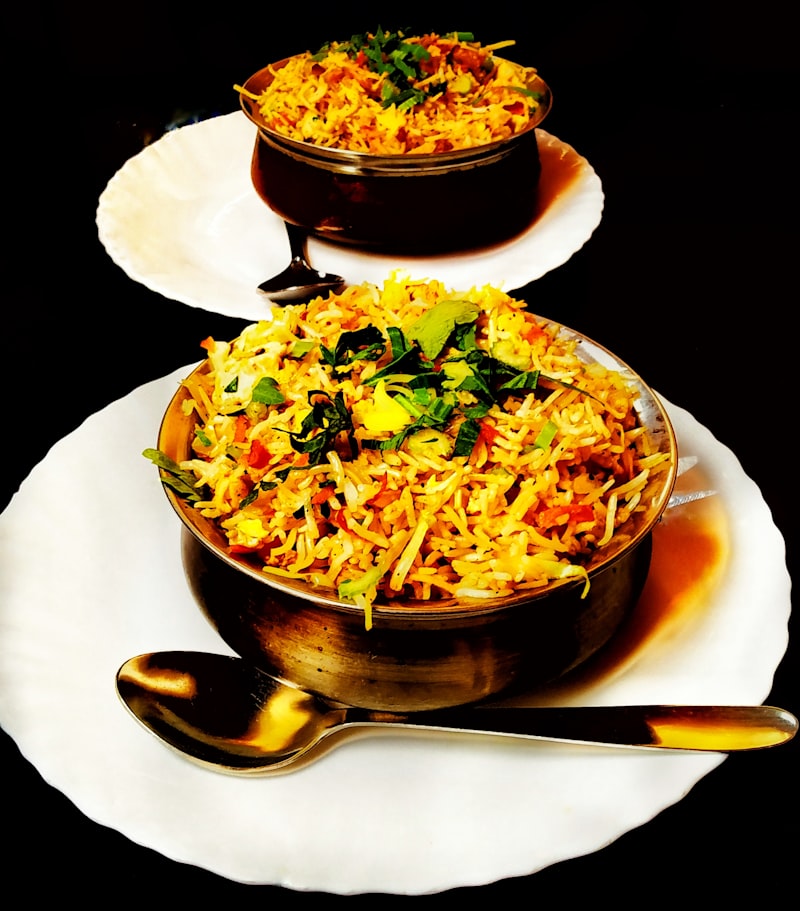
The pinnacle of royal Lucknowi culinary art: tender lamb simmered in saffron-infused yakhni broth, layered with 70% par-cooked aged basmati and sealed with dough for gentle steam cooking.
Practical secrets for temperature control, flavor balance, and texture.
Master the culinary science of balancing excess acidity in Indian gravies using caramelized onion reductions, dairy fats, jaggery, or alkaline buffers without diluting spice integrity.
secretDiscover the exact soak times, urad-to-rice ratios, wet-grinder aeration physics, and temperature management required for restaurant-quality mallige idlis.
techniqueHow professional Indian restaurant khansamas extract natural capsanthin carotenoids from Kashmiri and Deggi chillies into hot fat for vibrant crimson gravies.
Cook bone-in curry cut pieces in their own released natural steam covered over low heat for the first 12 minutes before uncovering for the final high-heat bhunao roast.
A raw papaya or hung curd paste marinade with fried onions (*birista*) tenderizes collagen fibers before the sealed steam cooking cycle begins.