
Non-VegTrending
South Indian
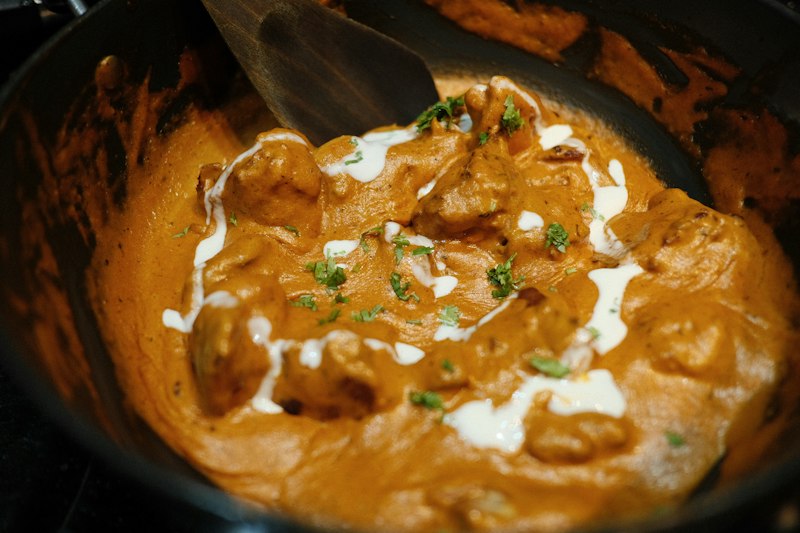
An iconic Tamil Nadu dry fry featuring freshly dry-roasted Tellicherry peppercorns, fennel seeds, and shallots in cold-pressed gingelly oil.
regional310 kcal45mmedium
Cost 100 PaxView Recipe
India is a subcontinent of distinct micro-cuisines, each shaped by local geography, climate, and ancestral spice pairings. Explore distinct regional flavor profiles: the fiery peppercorns of Chettinad, the delicate saffron perfumes of Lucknow, and the earthy millet balls of Karnataka.
An iconic Tamil Nadu dry fry featuring freshly dry-roasted Tellicherry peppercorns, fennel seeds, and shallots in cold-pressed gingelly oil.
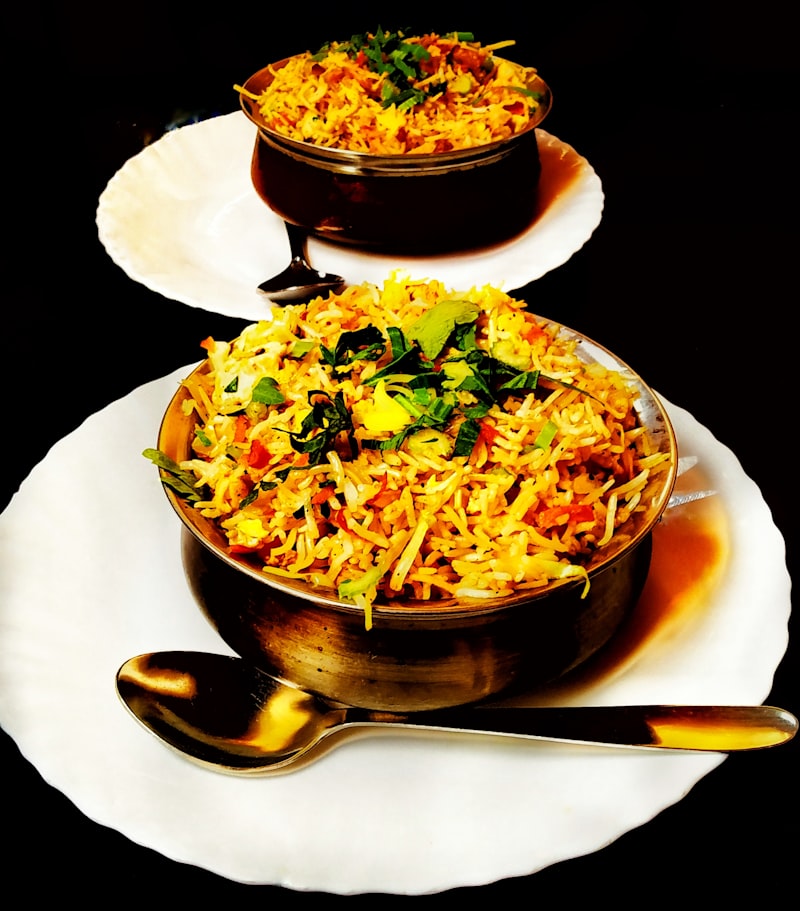
The pinnacle of royal Lucknowi culinary art: tender lamb simmered in saffron-infused yakhni broth, layered with 70% par-cooked aged basmati and sealed with dough for gentle steam cooking.
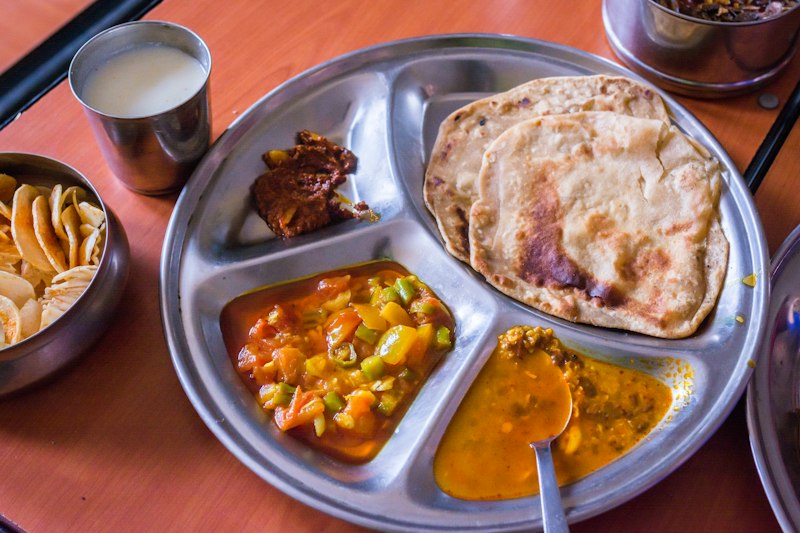
Whole black urad dal and red kidney beans slow-simmered for hours over low heat, enriched with dairy butter, sweet cream, and finished with a charcoal dhungar smoke infusion.
An ancient rustic staple of steamed finger millet flour churned into velvety spheres, traditionally eaten with piping hot Bassaru or Keerai Sambar.
Practical secrets for temperature control, flavor balance, and texture.
Master the culinary science of balancing excess acidity in Indian gravies using caramelized onion reductions, dairy fats, jaggery, or alkaline buffers without diluting spice integrity.
secretDiscover the exact soak times, urad-to-rice ratios, wet-grinder aeration physics, and temperature management required for restaurant-quality mallige idlis.
techniqueHow professional Indian restaurant khansamas extract natural capsanthin carotenoids from Kashmiri and Deggi chillies into hot fat for vibrant crimson gravies.
Cooking fats (mustard oil in the north, coconut/gingelly oil in the south), primary starches (wheat rotis vs. rice and millets), and regional spice blends (garam masala vs. sambar podi and roasted Chettinad masala).
Southern spice blends emphasize roasted lentils (chana/urad), curry leaves, and coriander for thick body, whereas Northern garam masalas focus on warm aromatic whole spices like cloves, cinnamon, and black cardamom.