Ingredient costs typically represent 35-50% of catering revenue. Smart purchasing can reduce this by 20-40% compared to retail buying, directly boosting your bottom line. This comprehensive guide covers proven purchasing strategies for Indian caterers.
Building Supplier Networks
Your supplier relationships are business assets. Strong networks provide better prices, priority during shortages, and credit flexibility.
Primary vs Backup Suppliers
Maintain 2-3 suppliers for each category. Your primary supplier gets 70% of business and best prices. Backups ensure continuity during shortages and provide price benchmarks.
Relationship Building
Visit markets personally, especially initially. Pay on time consistently. Small courtesies matter - festive gifts, prompt issue resolution. Suppliers prioritize reliable, respectful buyers during shortages.
Wholesale Market Navigation
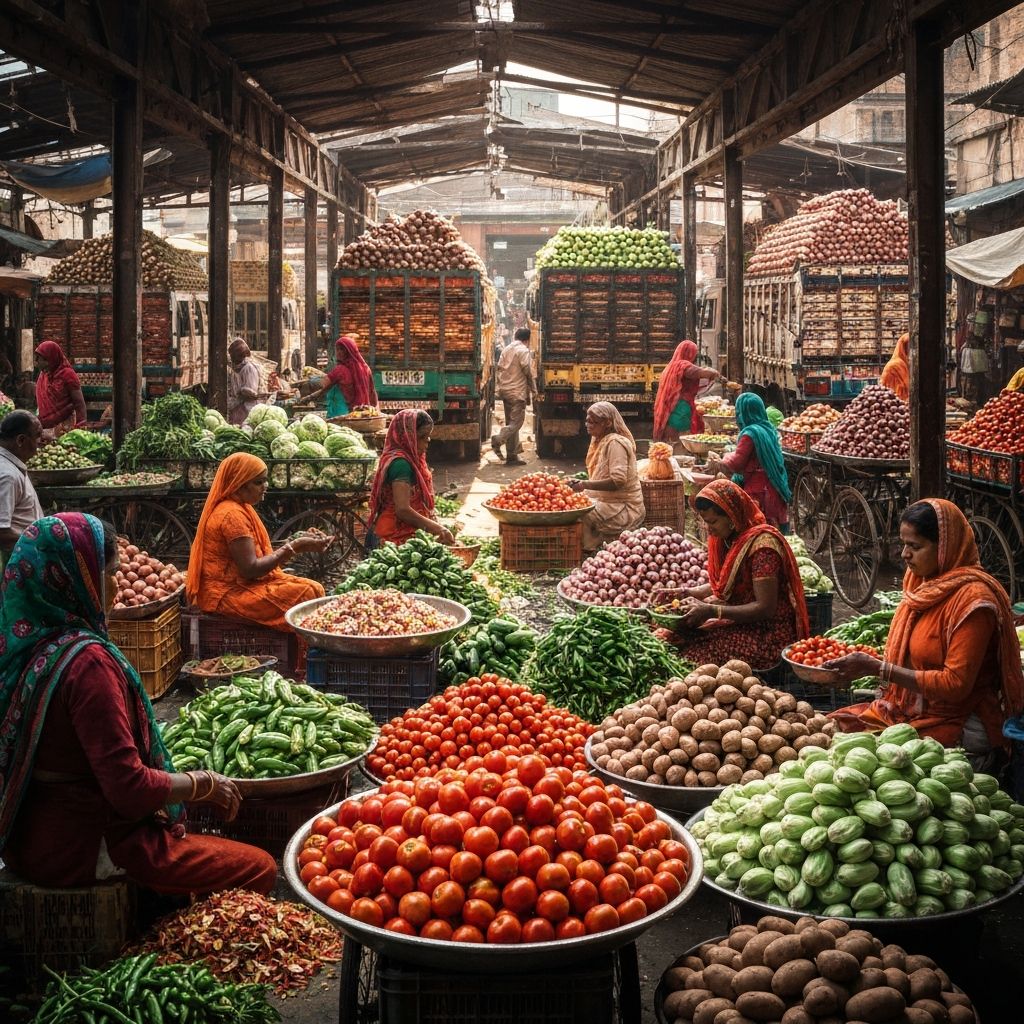
India's wholesale markets offer 30-50% savings versus retail, but require strategy to navigate effectively.
Timing Your Visits
Early morning (4-7 AM) offers freshest produce and first pick. Late morning (10 AM+) may have discount prices on remaining stock. Visit consistently on the same days to build vendor relationships.
Negotiation Tactics
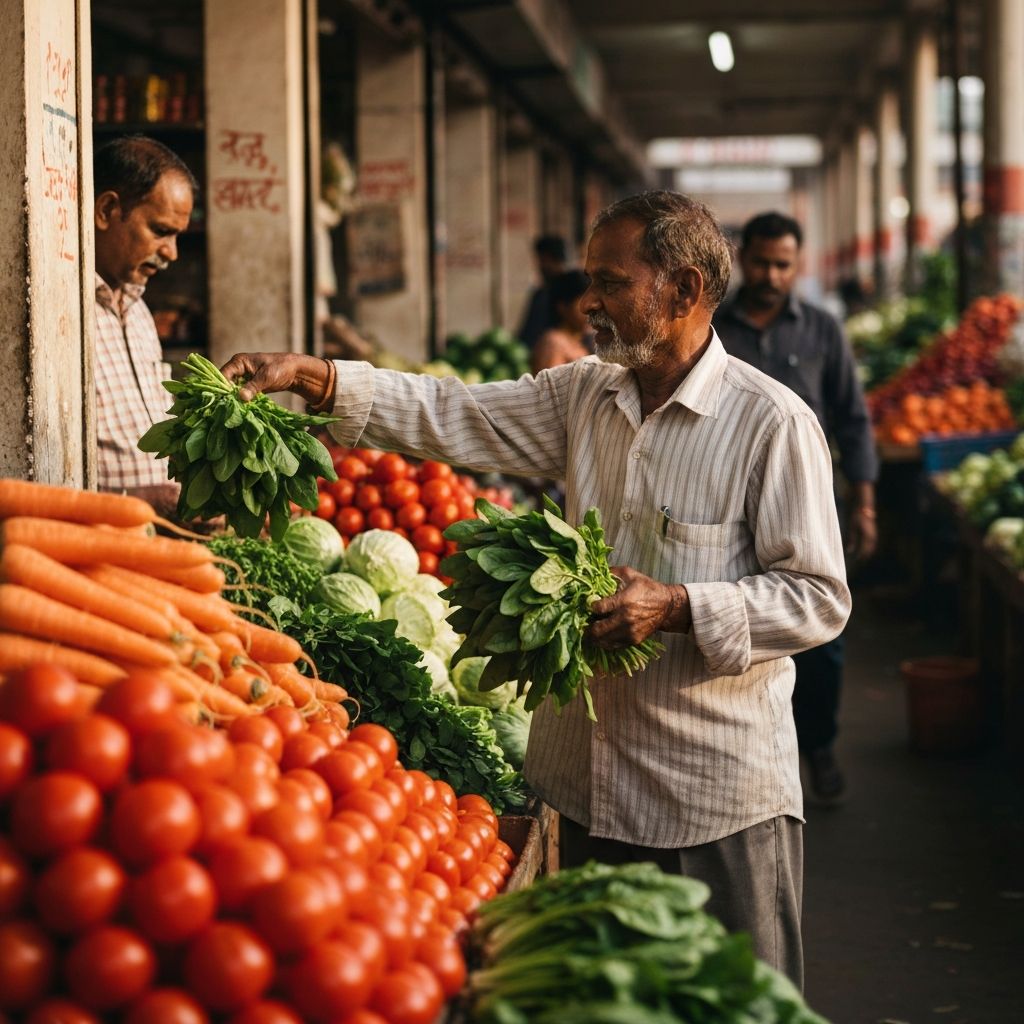
Always ask for 'catering rate' or 'restaurant rate'. Compare prices across 3-4 vendors before buying. Buy in larger quantities for better per-unit rates. Cash payments often get additional discounts.
Want to calculate your food costs automatically? Try the CaterOps Food Cost Calculator
Seasonal Buying Strategy
Ingredient prices vary 50-200% across seasons. Strategic buying around seasonality significantly impacts costs.
Stock Non-Perishables
When rice, dal, oil, or spices dip in price, buy 2-3 months' supply. Proper storage preserves quality. Track historical prices to identify buying opportunities.
Menu Flexibility
Design menus around seasonal abundance. Summer menus featuring mangoes, winter menus with seasonal vegetables. Seasonal ingredients are fresher, tastier, and cheaper.
Quality vs Cost Balance
The cheapest ingredient isn't always the most economical. Poor quality leads to waste, rework, and customer complaints.
Grade Selection by Use
Buy premium grades for customer-visible items - whole spices for biryani, quality paneer for paneer butter masala. Use standard grades for gravies, stocks, and hidden ingredients.
Quality Indicators
Learn quality signals for key ingredients. Rice should be uniform, without broken grains. Vegetables should be firm without soft spots. Spices should be aromatic. Reject substandard items immediately.
Related Reading: Learn more about catering operations on our blog or discover how CaterOps helps caterers.
Inventory Management
Excess inventory ties up capital and risks spoilage. Insufficient stock leads to emergency purchases at retail prices.
Par Level System
Establish minimum stock levels for each ingredient based on usage patterns. Reorder when stock hits par level. Adjust par levels seasonally based on demand.
FIFO Implementation
First In, First Out isn't optional. Label incoming stock with dates. Position older stock in front. Train all staff on FIFO principles. Spoilage directly impacts profitability.
Key Takeaways
- 1Maintain 2-3 suppliers per category for price leverage and continuity
- 2Visit wholesale markets early morning for best selection and prices
- 3Stock up on non-perishables during price dips
- 4Match ingredient grades to visibility - premium for customer-facing items
- 5Implement par levels and strict FIFO to minimize waste
- 6Use CATEROPS to track prices and optimize purchasing decisions