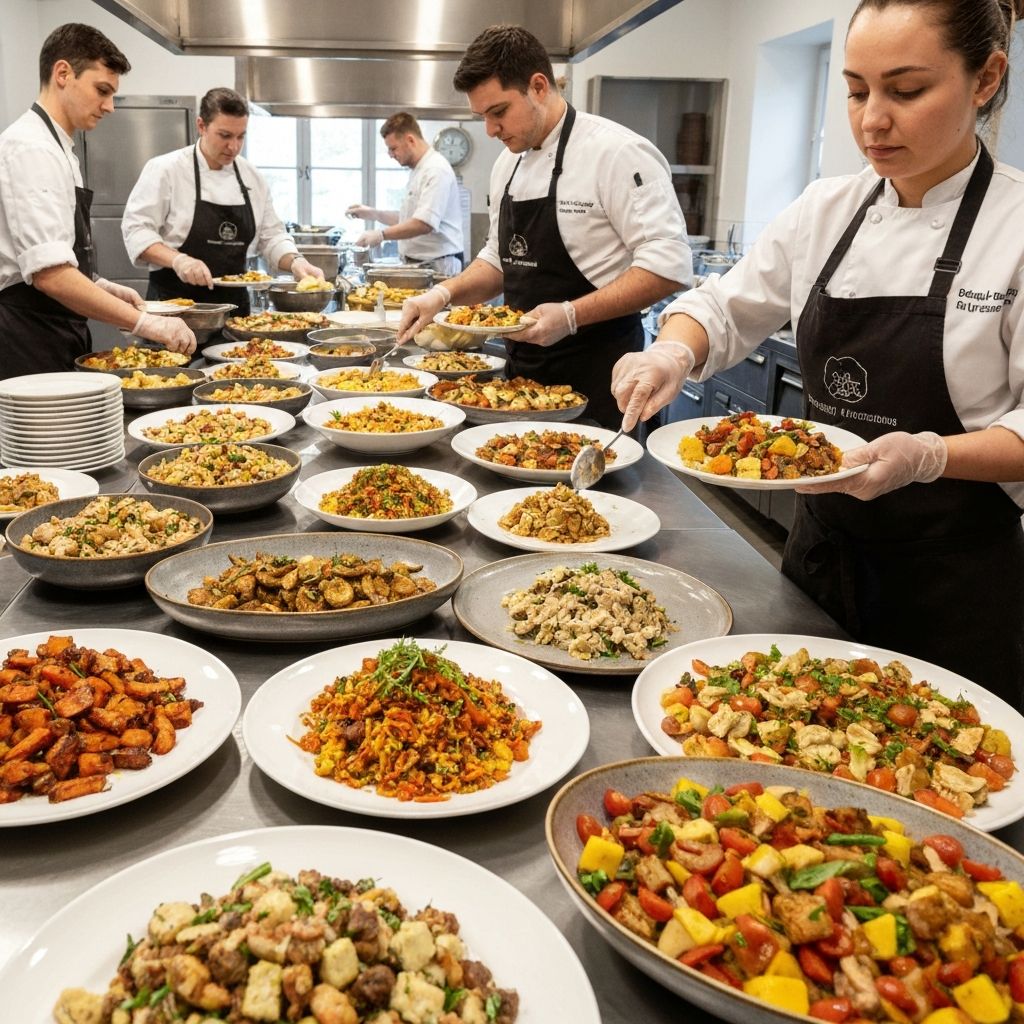

Yield management is the science of understanding how raw ingredients transform during cooking. A kilogram of raw rice doesn't equal a kilogram of cooked rice. Mastering yield calculations helps you order the right quantities and minimize waste.
Understanding Cooking Yields
Different ingredients have different yield percentages. Rice typically has a 250-300% yield (1kg raw = 2.5-3kg cooked), while meat shrinks by 25-35% during cooking.
Common Yield Factors
Basmati Rice: 2.5-3x yield. Vegetables: 70-90% yield (loss from peeling/trimming). Chicken: 65-75% yield. Paneer: 85-95% yield. Understanding these factors helps accurate purchasing.
Portion Norms
Standard portion sizes vary by dish type. Rice dishes: 150-200g cooked per person. Curries: 100-150ml per person. Roti/Naan: 2-3 pieces per person.
Reverse Engineering Recipes
Start with the desired cooked portion (e.g., 350g biryani per person) and work backward. If rice yield is 2.5x, you need 140g raw rice per person. This method ensures accurate ingredient ordering.
Want to calculate your food costs automatically? Try the CaterOps Food Cost Calculator
Seasonal Variations
Ingredient yields vary by season. Summer vegetables have higher water content and may shrink more. Winter produce is often denser. Adjust your calculations seasonally.
Key Takeaways
- 1Always calculate raw-to-cooked yield ratios for each ingredient
- 2Use portion norms as your starting point for calculations
- 3Reverse-engineer from desired cooked portion to raw quantities
- 4Account for seasonal variations in ingredient quality