Even experienced caterers make costing mistakes that silently erode their profits. These errors often go unnoticed until cash flow problems emerge. Here are the most common costing mistakes and how to avoid them.
Ignoring Hidden Costs
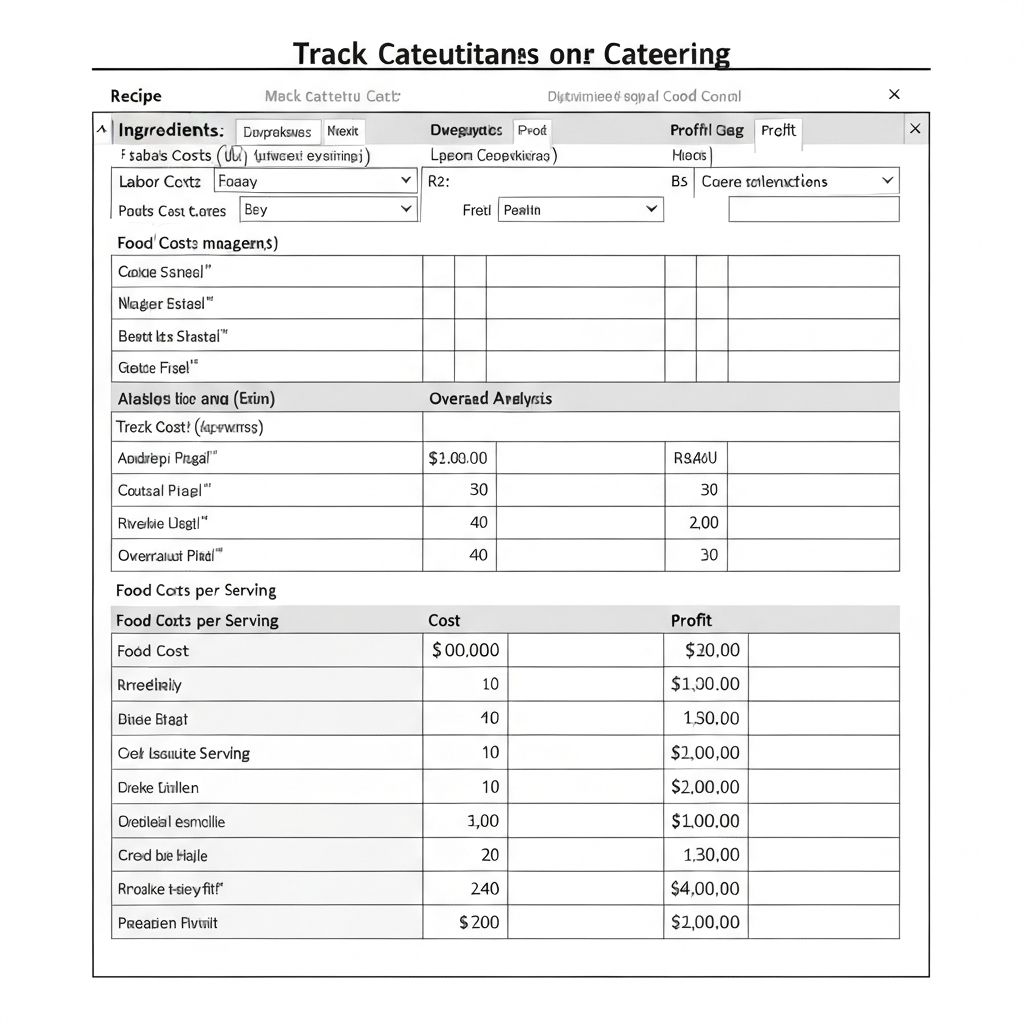
The biggest mistake is calculating only ingredient costs while ignoring overhead expenses that significantly impact profitability.
Fuel and Energy Costs
LPG and electricity typically add 8-15% to food costs. A biryani that costs ₹80 in ingredients might cost ₹92 when you add cooking fuel. Always factor in 5% for LPG and 3% for electricity as baseline overhead.
Labor and Preparation Time
Complex dishes require more prep time and skilled labor. A dal fry takes 20 minutes; a biryani takes 90 minutes. Price accordingly. Labor typically adds 10-15% to total costs.
Packaging and Transport
Quality containers cost ₹15-50 per serving. Transport fuel, vehicle maintenance, and delivery staff add more. Include these in event quotations explicitly.
Using Outdated Prices
Market prices fluctuate weekly. Using last month's rates for this month's quotation can destroy margins. Tomatoes might be ₹20/kg one week and ₹60/kg the next.
Solution: Regular Price Updates
Update your ingredient price database weekly. Use tools like CATEROPS that can fetch current market rates automatically. Add a 10% buffer for price volatility in long-term contracts.
Want to calculate your food costs automatically? Try the CaterOps Food Cost Calculator
Underestimating Wastage
5-15% of food typically goes to waste through preparation, cooking, and serving. Vegetable peeling waste, overcooked items, and plate waste add up. Factor in 8-10% wastage buffer.
Incorrect Yield Calculations
Assuming 1kg raw equals 1kg cooked is a costly mistake. Meat shrinks 25-35%, while rice expands 150-200%. Use accurate yield factors for every ingredient.
Related Reading: Learn more about catering operations on our blog or discover how CaterOps helps caterers.
Emotional Pricing
Setting prices based on what 'feels right' or what competitors charge, rather than actual costs plus margin, leads to unprofitable operations. Always calculate costs first, then add margin.
Key Takeaways
- 1Include LPG (5%), electricity (3%), and labor (10-15%) in all calculations
- 2Update ingredient prices weekly or use real-time pricing tools
- 3Add 8-10% wastage buffer to ingredient quantities
- 4Use accurate yield factors - don't assume 1:1 raw-to-cooked ratios
- 5Calculate costs first, then apply margin - never price emotionally